Not held prisoner by silk-screening.
Printed labels lock a button into one job forever. Apex uses keys with their own little screens, so every button can become anything: a drum pad, a mixer mute, a scene, a whole new instrument.
Apex is years of ideas finally built. Masada kept seeing a gap between what he wanted and what was out there, so he made the machine himself. No fixed labels, no fixed role. It shapes itself around the music like clay, and it’s where every Masada instrument is tested before it reaches you.
One of one · not for sale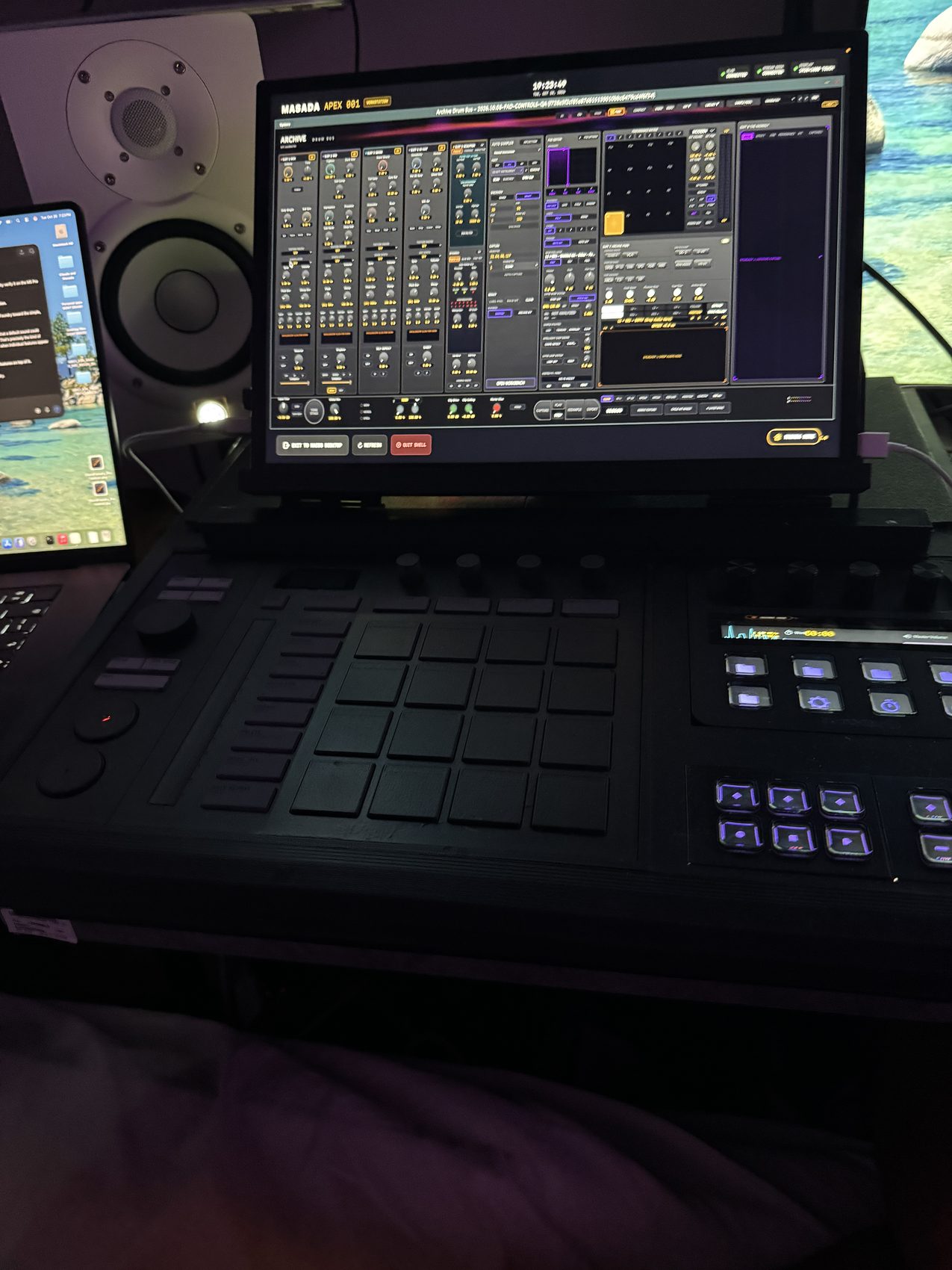
“I’ve always wanted to have no limitations on how I create. To bring something into my creative environment and shape it like putty, like clay, however I want. Apex is a step in that direction.”
Masada
Printed labels lock a button into one job forever. Apex uses keys with their own little screens, so every button can become anything: a drum pad, a mixer mute, a scene, a whole new instrument.
Apex is designed to be a true assistant to a creative. Alone in the studio and stuck? Press the agent, say what you’re after, and work it out together. It helps you create. It doesn’t create for you.
A 15-inch touchscreen with room for everything, and bigger touch targets. Small screens and tiny buttons get in the way, and nobody’s eyes get sharper with the years. Apex is built so you can see everything and hit what you mean.
Coding used to be the wall between an idea and a tool. With AI agents, that wall is coming down. So when a session needs something that doesn’t exist yet, you and the agent can make it on the spot. That’s how Apex grows with you.
People are afraid of AI, and every big change has its dangers. Going from horse and buggy to the automobile did too. Masada sees the other side: a partner that helps you create, never one that creates for you.
“This reminds me of the replicator: go up to it and get whatever you want. That’s the age we’ve stepped into. It’s a fantastic age to be alive.”
Masada
“I don’t like this reverb. Remember that old rack hall reverb? Let’s make one.”
ApexBuilds the reverb right there, in the session, ready to tweak.
“This 808 needs a compressor and limiter that shapes it the way we need.”
ApexMakes that tool for this track, when nothing you own does the job.
“It’s too dark in here.”
ApexBrightens the screen and the colours of the whole studio.
“Add a delay to pad A16.”
ApexDone, on that one pad.
“Find the project I did five months ago.”
ApexLists everything from back then with audio previews, and points out which ones have notes that could work with what you’re making now.
No factory and no budget line. A drum controller that had been sitting on the shelf, a handheld’s controls, a spare desktop computer, a budget touchscreen, an audio interface and three 3D printers. Masada designed the parts, printed them and put them together piece by piece.
He’s a geek, and proud of it. Apex is where he intends to make every beat from now on, and where Archive Drum Bus, Chord Foundry and Epoch earn their place.
How many people build their own machine? Today you can load your own software onto someone else’s hardware and call it a day. Masada could have done that. He built Apex instead, because that’s how serious he is about the craft. He believes a machine should keep growing as the person using it grows, and Apex can. AI made it possible for someone like him to build what was in his head, and this is only the start. Maybe one day there will be a Masada machine.
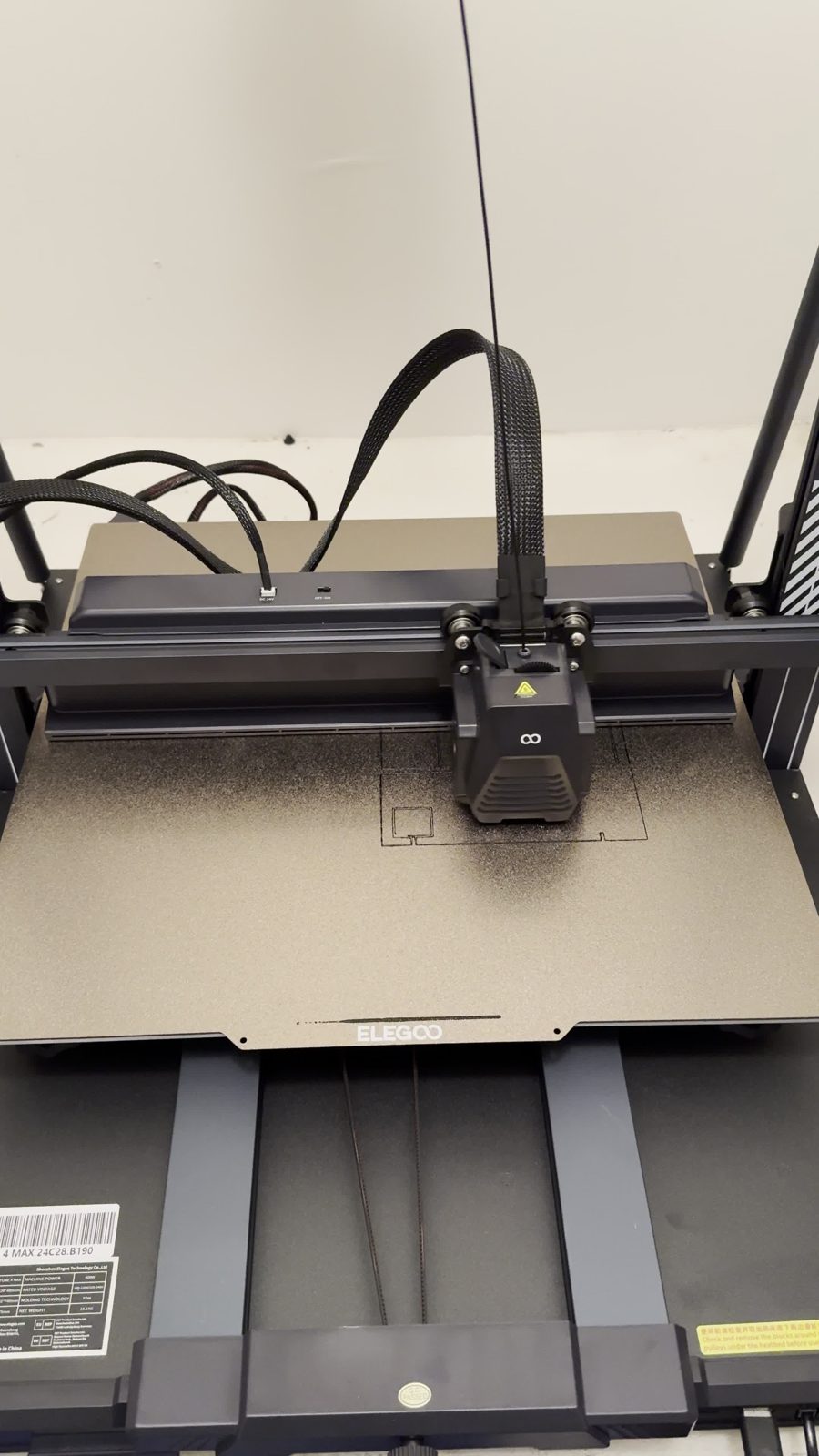
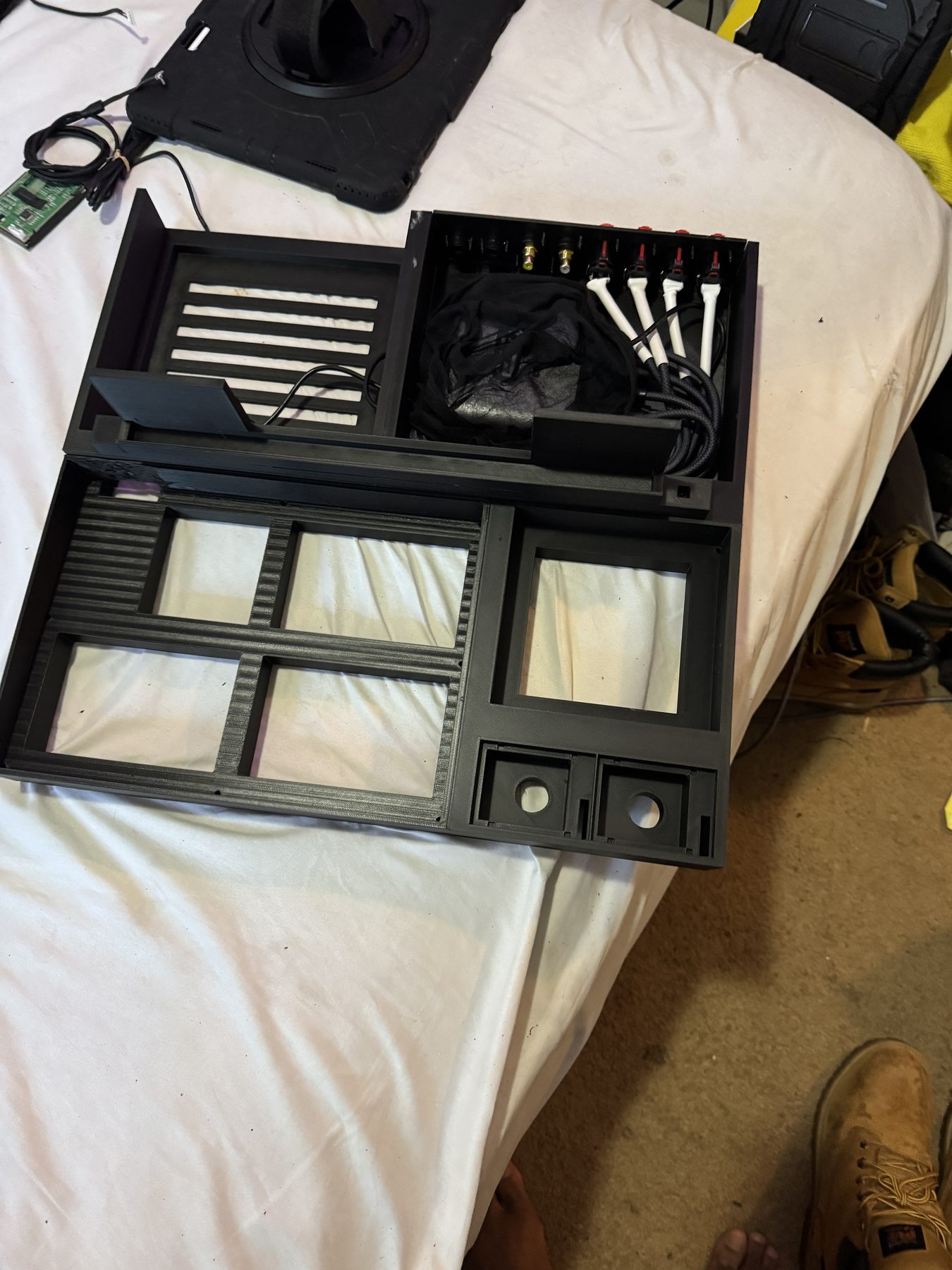
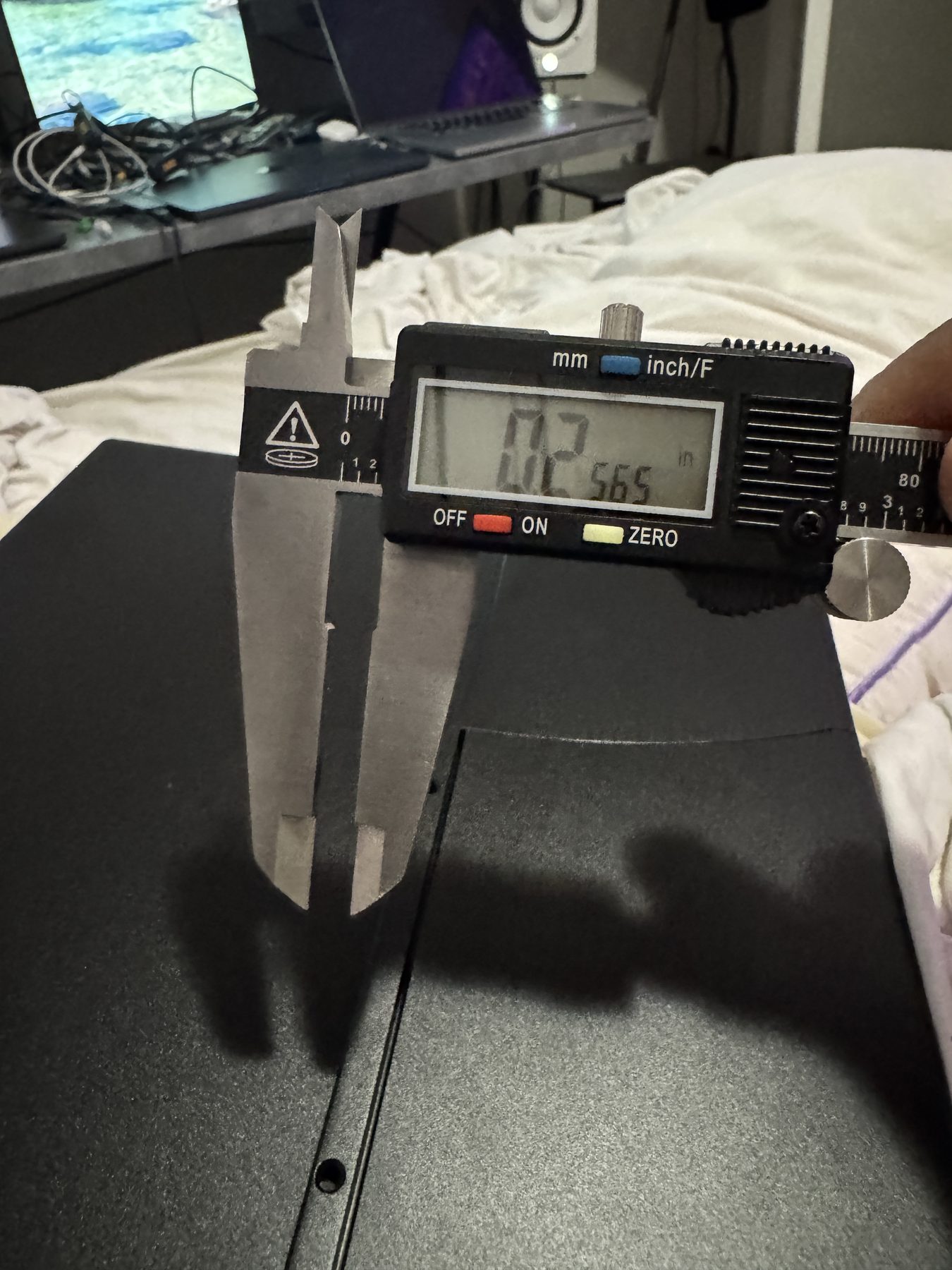
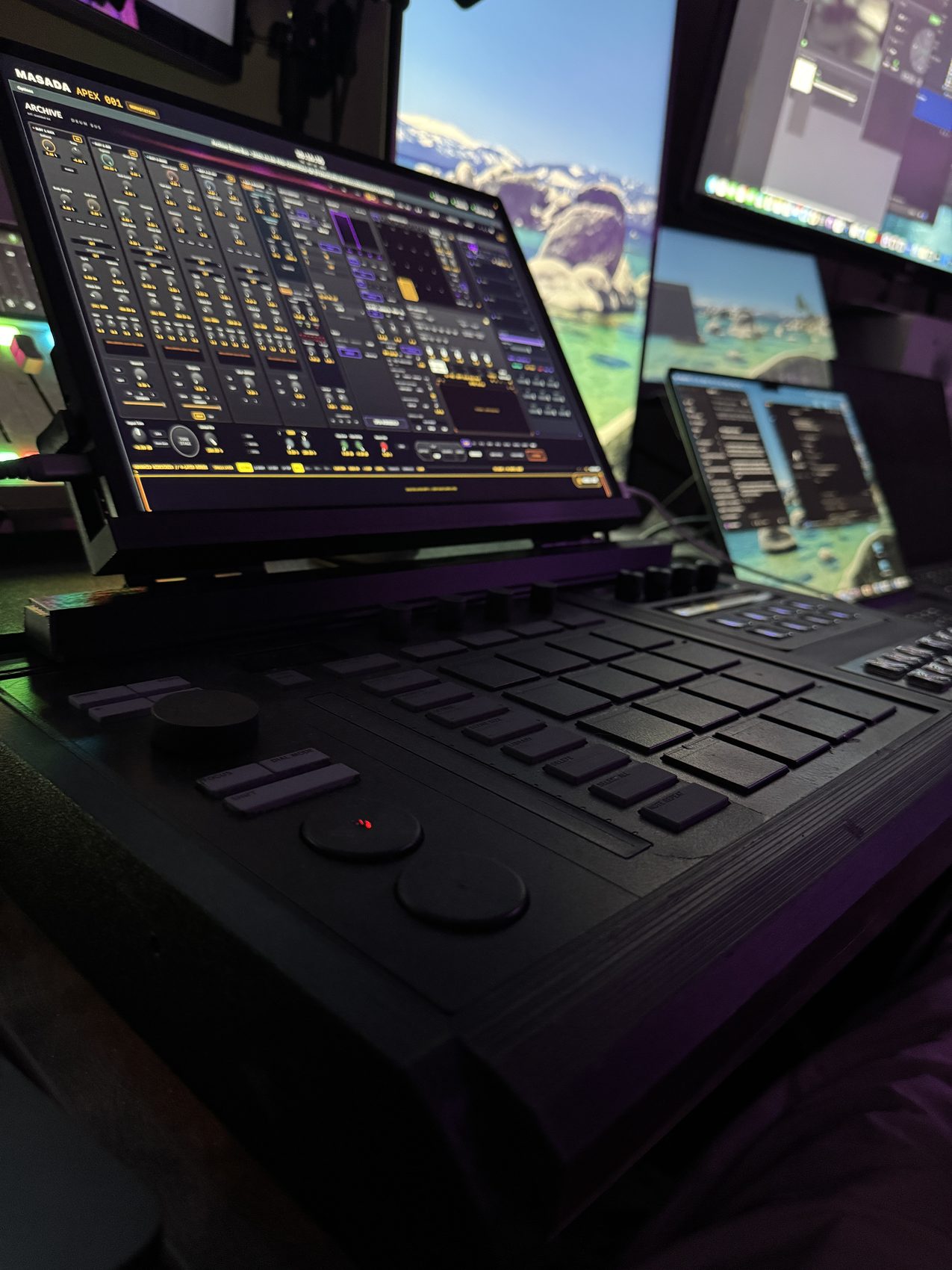
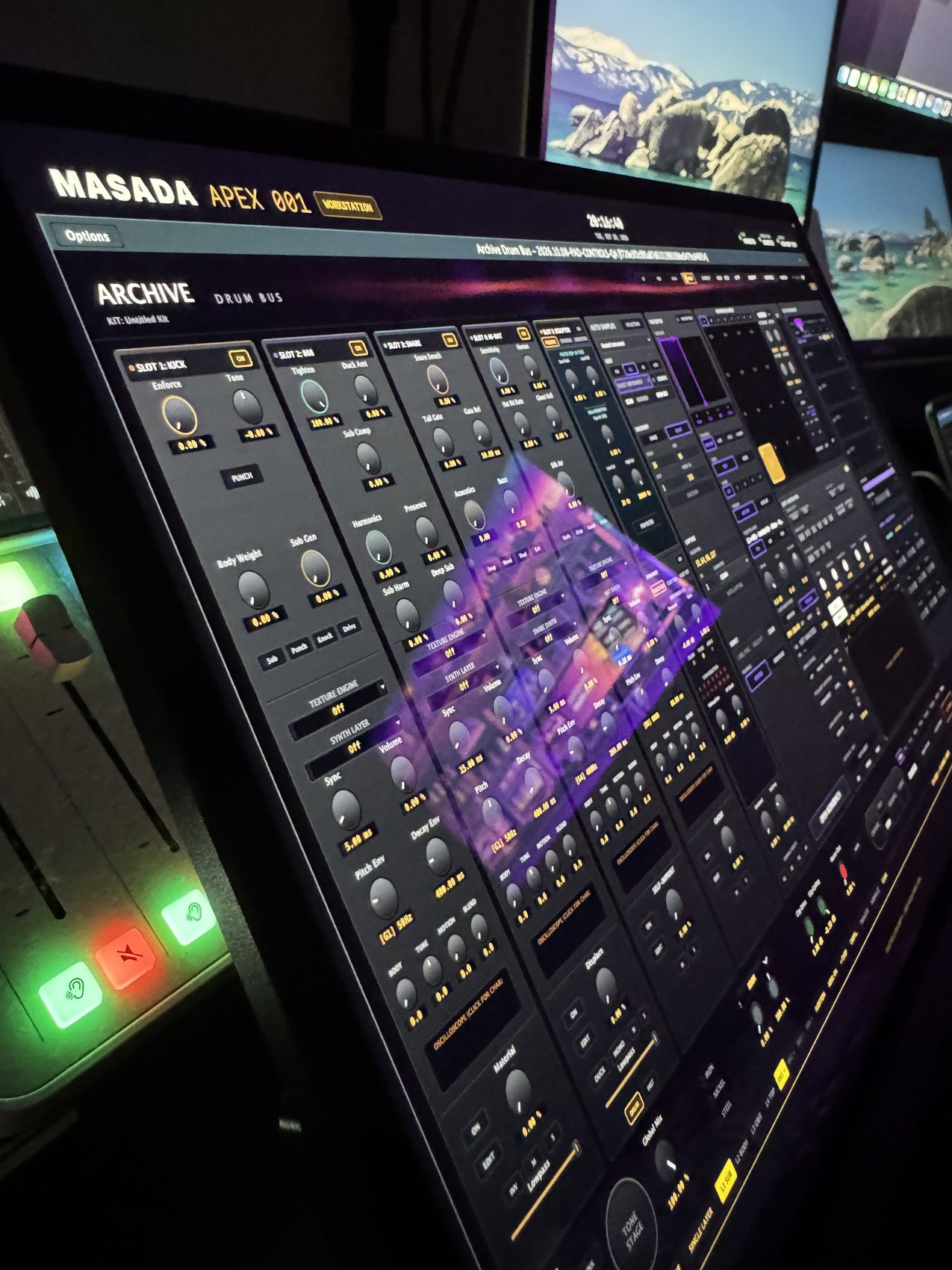
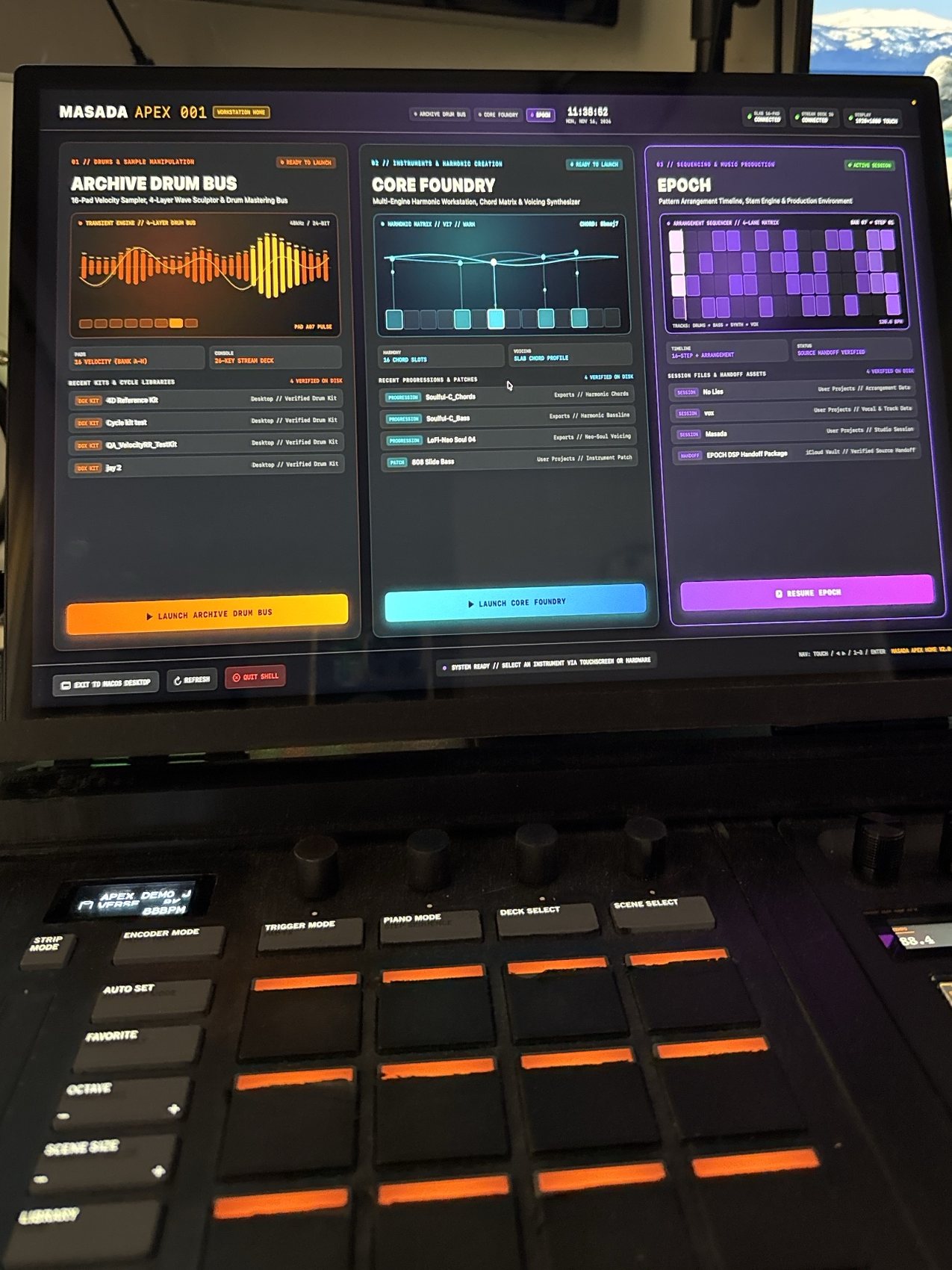
Archive Drum Bus and Chord Foundry already run on Apex’s own screen, launched from its own home screen.
Masada replies within 3 days.
Masada will reply by email within 3 days. A copy is on its way to your inbox.